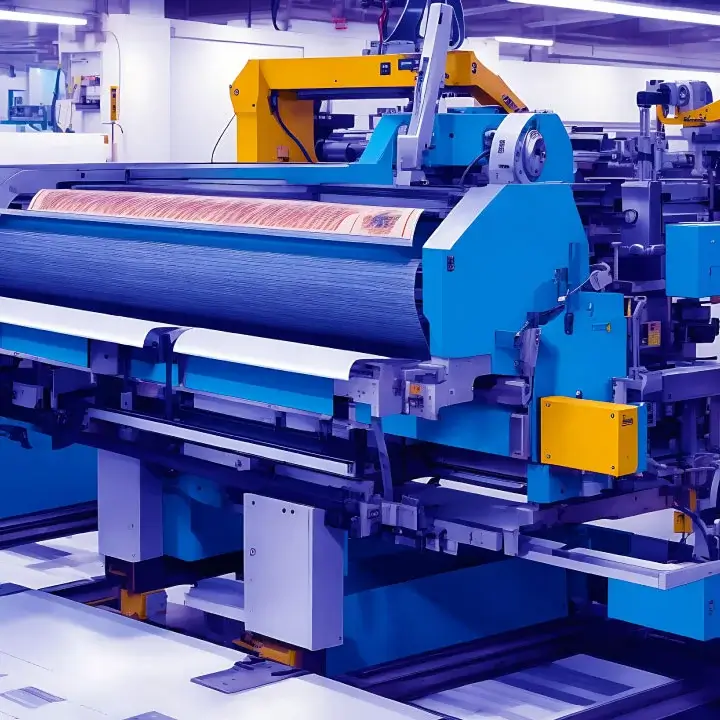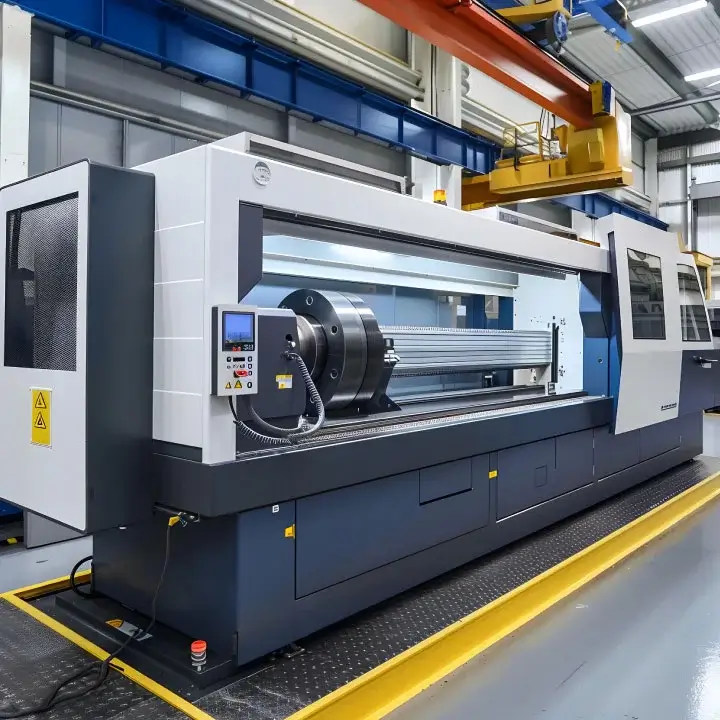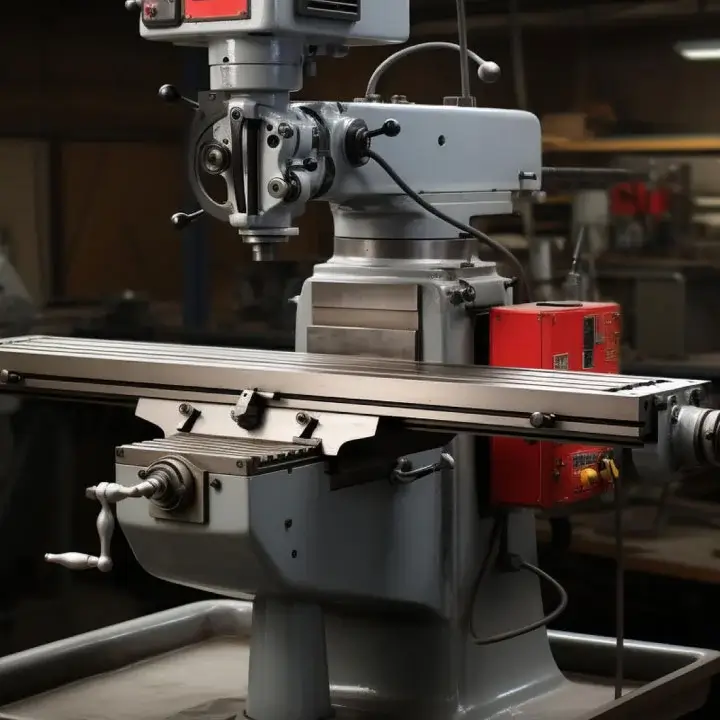
Multi Layer
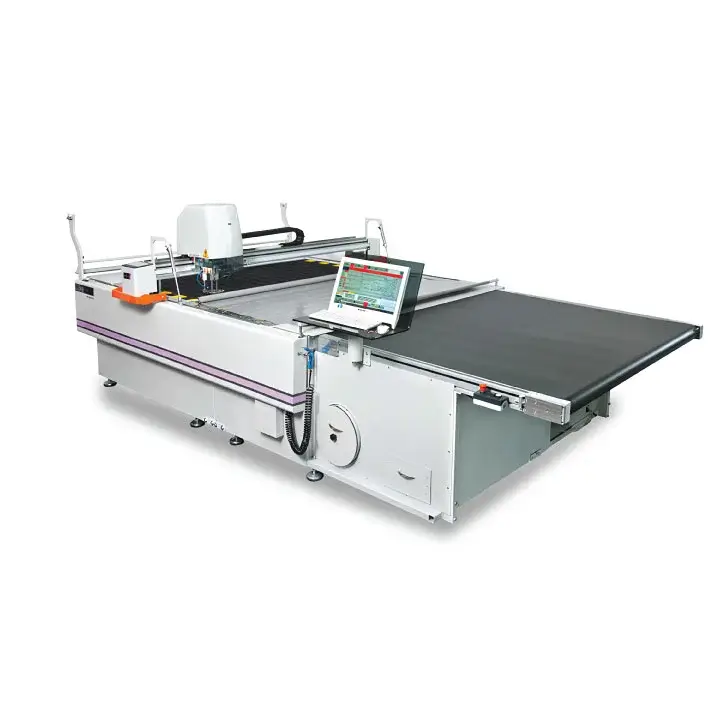
Technical Specifications:

- Layer Thickness Range: [e.g., 10 µm – 200 µm]
- Maximum Layer Count: [e.g., 6 layers]
- Operating Speed: [e.g., Up to 300 meters per minute]
- Material Compatibility: [e.g., Paper, Plastic Films, Textiles]
- Width Range: [e.g., 500 mm – 2000 mm]
- Temperature Control: [e.g., Adjustable from 50°C to 300°C]
- Power Consumption: [e.g., 15 kW]
- Control System: [e.g., PLC with Touchscreen Interface]
- Dimensions (L x W x H): [e.g., 3000 mm x 2000 mm x 2500 mm]
- Weight: [e.g., 3500 kg]
- Safety Features: [e.g., Emergency Stop Button, Safety Guards]
- Optional Features: [e.g., Automatic Tension Control, Real-Time Monitoring]
Key Features and Benefits:
Versatility: Capable of handling a variety of materials like paper, fabric, plastic, and metal foils.
Precision: Advanced controls for accurate layering and thickness consistency.
Efficiency: Designed for high-speed production to increase output and reduce costs.
Customization: Ability to adjust settings for different materials and layer combinations.
Quality Control: Integrated systems for monitoring and maintaining quality throughout the production process.
Customization and Market Focus:
Packaging: Creating multi-layer films for food packaging that provide barriers against moisture and oxygen.
Textiles: Producing laminated fabrics with enhanced properties such as waterproofing and breathability.
Automotive: Manufacturing multi-layer components for vehicles, including upholstery and interior linings.